
Recent Trends in Office Space: The Evolution of the Modern Workplace


April 7, 2026
Recent Trends in Office Space: The Evolution of the Modern Workplace
The landscape of office real estate is currently undergoing a fundamental transformation. Driven by rapid technological advancements and a permanent shift in work culture, the office is no longer merely a physical location where one is present from nine to five. Now that hybrid working has become the standard, forward-thinking companies are completely reimagining their office environments. The focus has shifted toward creating ecosystems that prioritize collaboration, innovation, and employee well-being. This evolution marks a deeper understanding of what a workplace must actually offer in today's market.
The Breakthrough of Hybrid Work Models
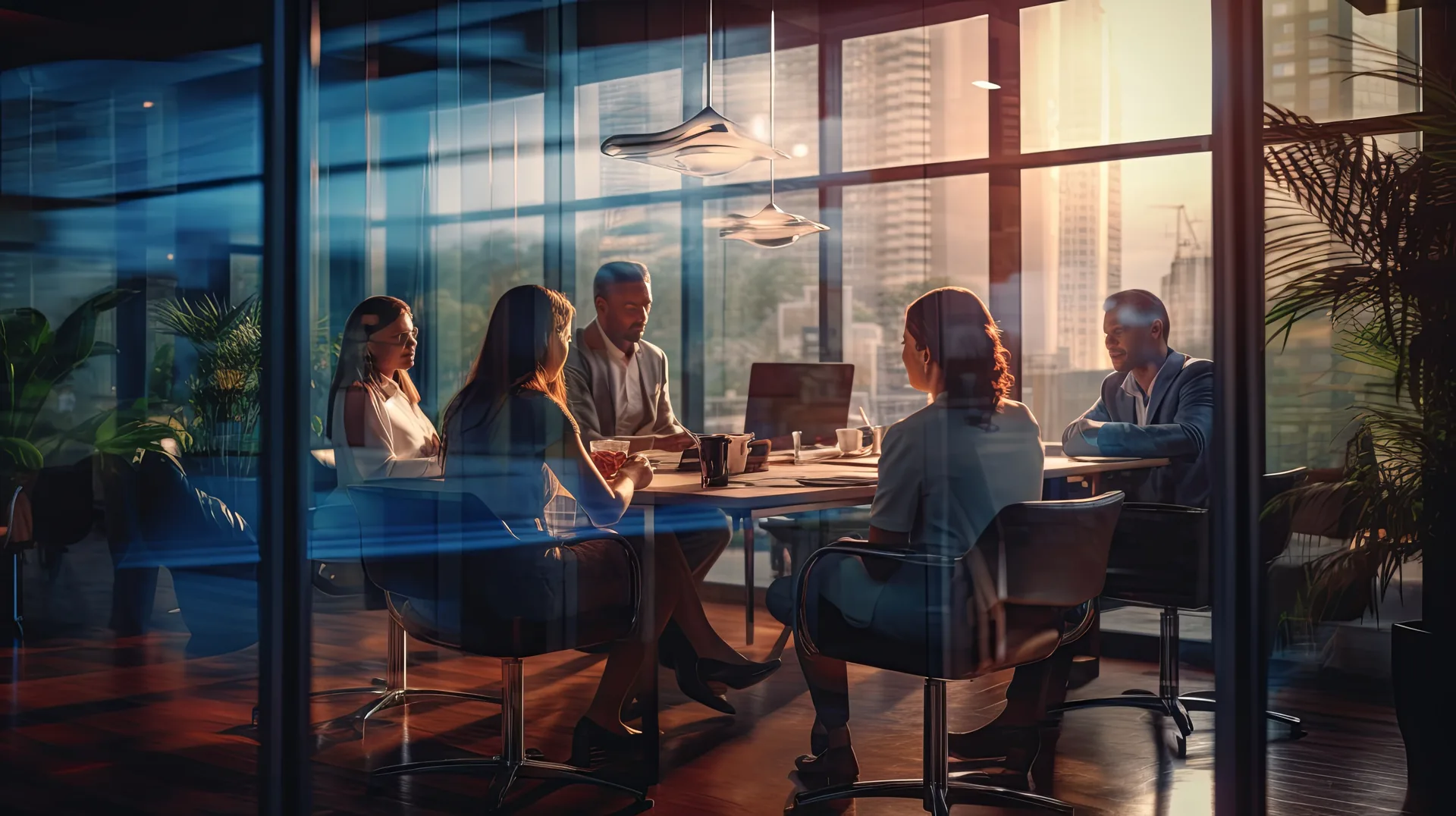
One of the most defining trends at this moment is the definitive breakthrough of the hybrid work model. Organizations are increasingly opting for flexible arrangements where employees divide their time between the focus of the home office and the synergy of the corporate headquarters. This approach caters to individual preferences and increases overall productivity by combining the best of both worlds. As a result, office layouts are being drastically reconfigured. Static rows of desks are making way for versatile, adaptable spaces that serve as team hubs, transforming the office into a social and strategic anchor point.
A Growing Emphasis on Well-being and Biophilic Design
Well-being is no longer a secondary benefit; it is a core value in modern office design. Contemporary workplaces prioritize the physical and mental health of employees by integrating elements such as maximum natural light, air-purifying plants, and high-end ergonomic furniture. This biophilic design—bringing the outdoors in—is essential for reducing stress and boosting creativity. Furthermore, companies are investing in additional amenities such as in-house fitness facilities, relaxation zones, and inspiring outdoor spaces to elevate the overall employee experience.
Smart Technology Integration as a Standard
The seamless integration of technology is the driving force behind the modern office experience. Smart office solutions, ranging from IoT sensors for occupancy tracking to advanced video conferencing systems, have become the industry standard. These technologies streamline daily operations and facilitate flawless interaction between on-site employees and remote colleagues. By creating a connected environment that supports efficient workflows, digital barriers are removed, and collective productivity is ensured regardless of the team's physical location.
Sustainability and Corporate Social Responsibility
Sustainability has become a crucial factor directly influencing the selection of office spaces. Companies are actively seeking eco-friendly materials, energy-efficient climate systems, and buildings with green certifications to reduce their ecological footprint. This commitment to sustainable practices is not just an ethical choice; it is a powerful tool for attracting environmentally conscious talent. A green office reflects an organization’s values and contributes to a future-proof reputation in a market that is increasingly critical of the climate impact of real estate.
The Rise of Flexible Workspaces and Co-working
The demand for flexible office solutions and co-working environments continues to grow exponentially. These spaces provide companies with much-needed scalability, allowing them to expand or contract quickly without the constraints of long-term, traditional leases. Co-working facilities also foster a sense of community and cross-pollination between different sectors, making them particularly attractive to both startups and established enterprises seeking a dynamic atmosphere. Consequently, the real estate market is evolving from merely renting square meters to offering "Office-as-a-Service."
The Renewed Importance of Concentration Rooms and Focus Zones
While the trend of open-plan offices encourages collaboration, the need for privacy and concentration is more prominent than ever. Modern designs therefore integrate specific concentration rooms and focus zones, such as acoustic phone booths, focus pods, and quiet workstations for uninterrupted tasks. These spaces are essential for duties requiring deep focus or confidentiality. By providing a balance between social interaction and individual seclusion, companies create an inclusive work environment that respects and supports the diverse workstyles of their staff.
Functionality and Adaptability as Core Values
Functionality is at the heart of effective office design. A space that is both functional and modular allows teams to adapt their environment to the task at hand. Whether it is a brainstorming session, a formal presentation, or individual administrative work, the physical space must be able to evolve. By offering a mix of quiet zones, meeting rooms, and communal break-out areas, the workflow is optimized. This functional versatility ensures that the office becomes a tool that directly strengthens organizational efficiency.
The Social Value and Culture of the Office
Beyond all technical and aesthetic aspects, the social value of the office remains irreplaceable. The office acts as the heartbeat of the organization; it is the place where corporate culture is forged, where training occurs, and where innovation arises from spontaneous encounters. Face-to-face interaction builds trust and facilitates the sharing of informal knowledge, which is crucial for team cohesion. In a world of digital communication, the physical workplace remains the most important platform for continuous learning and strengthening mutual connections.
Conclusion: The Office as a Strategic Ecosystem
Recent trends in the office market point undeniably toward a future of flexibility, well-being, and technological synergy. As organizations navigate the changing professional landscape, embracing these trends is essential to remain relevant. The modern office is much more than a collection of desks; it is an integral part of a thriving organizational ecosystem. Companies that invest in a thoughtful, human-centric, and sustainable work environment lay the foundation for long-term success and a loyal, productive team.